Author: admin

  • Only 71 Players Declared For The NBA Draft. NIL Gave Them A Reason To Stay.

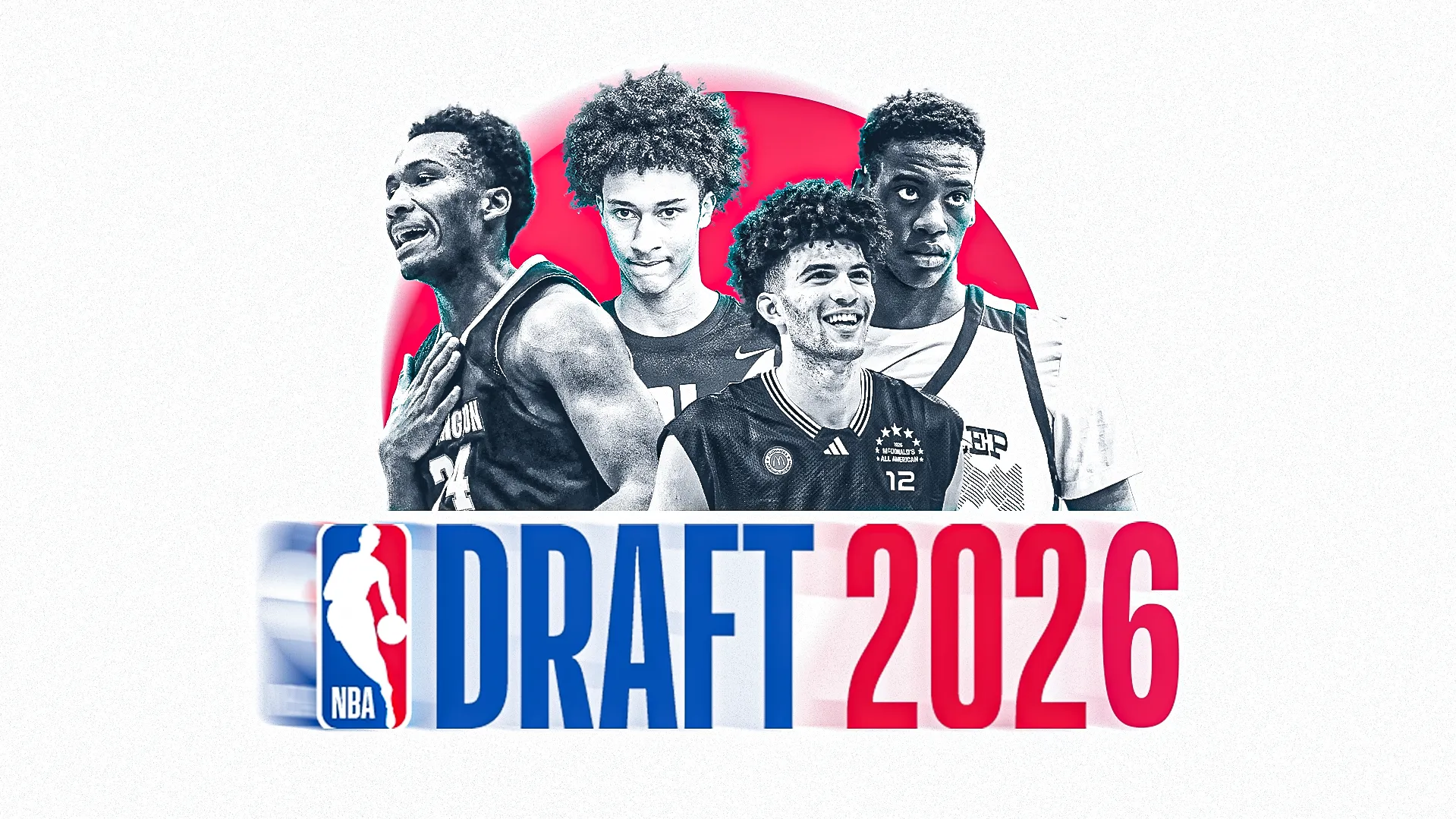
    2026 NBA Draft prospects including AJ Dybantsa and Darryn Peterson from the most talented high school class in over a decade

    Photo: HoopsHype  /  2026 NBA Draft Class  /  AJ Dybantsa, Darryn Peterson and more

    NIL + College Basketball

    Only 71 Players
    Declared For The
    NBA Draft.
    NIL Gave Them
    A Reason To Stay.

    The 2026 NBA Draft has only 71 early entrants, the lowest number since 2003. Most people are calling it a problem. Here is why it is actually the most important shift in athlete leverage in a generation.

    April 2026


    The 2025 high school basketball class was arguably the most talented group of prospects in over a decade. AJ Dybantsa. Darryn Peterson. Cameron Boozer. Dylan Harper. The names were generational. The anticipation was real. And yet when the early entry deadline for the 2026 NBA Draft closed on April 24, only 71 players had declared.[CBS Sports] That is the lowest number since 2003. Down from 106 last year. Down nearly 80 percent from the peak of 363 in 2021.[Yahoo Sports] Cameron Boozer, one of the most anticipated freshmen in years, is returning to Duke. Players who would have declared without hesitation five years ago are staying. And the reason is not complicated.

    NIL gave them a reason to stay.

    In 2021 there were 363 early entrants. In 2026 there are 71. NIL did not shrink the draft. It gave players a real choice for the first time.

    2021
    363
    2022
    224
    2023
    173
    2024
    106
    2025
    71

    Before breaking down what this means, there is a framework worth establishing. When you look at how athletes have always built their legacies, you can trace two distinct types. The ones who walk into a situation and build the platform from the ground up. And the ones who find an existing platform and use it to become something bigger than it.


    The Trailblazer
    Builds the platform from nothing
    The example LeBron James arrived in Cleveland as a teenager and built a franchise around himself that had no real platform before him. He did not use the Cavaliers as a vehicle. He built the vehicle himself. That is a trailblazer.
    The requirement You have to know who you are before the platform exists. Your identity has to be strong enough to carry the weight of building something from nothing. Not every athlete is built for this and that is not a criticism. It is a reality.
    The Platform Player
    Uses the stage to become something bigger
    The example Kobe Bryant arrived at a Lakers franchise that already had championship history. He used that platform deliberately, built his own identity on top of it, and by the time he was done, he had become the biggest trailblazer in franchise history. He turned a platform into a legacy.
    The requirement You have to be intentional about separating your individual identity from the team identity. Michael Jordan did this at Chicago. The Bulls gave him the stage. He made sure everyone knew whose stage it was.

    Both paths work. The common thread is intentionality. Whether you are building the platform or using one, your brand is still your responsibility. The team is the vehicle. What you put into the world as an individual athlete is what determines whether the vehicle drives you somewhere or just parks.

    The reason this framework matters for the 2026 NBA Draft conversation is that NIL has introduced a third option that did not exist before. You can now stay in college, use the college platform intentionally, build your audience, build your brand, develop your game, and get paid to do it. The vehicle now runs in both directions.

    College is now the last place where you have real control. You can build your fan base, build your social media, develop your game, and get paid. At the same time.

    Think about the athlete who was the most popular person in their high school or middle school. Everybody knew them. Everybody wanted to be around them. They had a following before following was even a formal concept. And then they went to college and you never heard from them again. The same thing plays out at the collegiate level constantly. Players who are the biggest names in their conference, who have built real audiences and real communities around their identity, go to the G League or get drafted late and simply disappear from the conversation. It is not always about talent. It is about the platform shrinking and the athlete not having built something that exists independently of the sport structure around them.

    NIL changed the calculation on that completely. Because now in college, you can continue to build your fan base, build your social media presence, develop your brand partnerships, and get paid for all of it while continuing to develop the skills that will take you to the professional level. The Detroit Pistons president of basketball operations Trajan Langdon put it directly: with all the money being thrown around in NIL, you are having a lot less players put their names in, and pretty good players are pulling their names out.[Fox Sports] The incentive structure has genuinely shifted.


    Flory Bidunga
    Returned to College
    $4.5M
    NIL deal to stay in school instead of declaring for the draft
    Braylon Mullins
    Stayed at UConn
    $4M
    NIL deal to return to UConn over pursuing professional options
    Top Returners
    College NIL Range
    $3–5M
    Annual NIL value for elite returning college athletes in 2026

    Those numbers matter because they reframe the entire argument about what going pro early actually means financially. A late first-round NBA rookie contract is worth approximately $2 to $3 million in year one. A college NIL deal for a top returning player can exceed that. The Duke coach Jon Scheyer said it clearly: NIL allows players to analyze whether they are actually ready, where money does not have to be the deciding factor.[Fox Sports] For the first time in the history of American basketball, the financial pressure to leave school is gone for a meaningful number of players. And the athletes who understand what that actually means are making their decisions accordingly.


    In college, everyone is good. At the professional level, everyone is great. And with respect, outside of your most loyal supporters, nobody follows you closely if you are not actively competing at a high level. We have seen that reality play out at every level. The audience follows the performance, and when the performance disappears to a bench role or a G League assignment, the audience moves on. But the audience you build in college, through NIL partnerships, through consistent content, through a genuine connection to a fan base that chose you before you were drafted, that is something that travels with you regardless of where the basketball takes you.

    This is why NIL is not destroying college basketball or professional sports. It is not cannibalizing the NBA. It is giving athletes the one thing they have never had before. Real leverage. The ball has always been in the athlete’s court in terms of raw talent. But now you can decide what to do with it. You can declare. You can stay. You can build. You can wait. You can negotiate from a position of financial security rather than financial desperation. NIL makes all of that possible in a way that simply did not exist before 2021.


    The 71 number is not a crisis for the NBA. It is a signal for every athlete currently navigating their own decision about when to turn professional. The athletes who are making the most informed decisions in this era are the ones who understand that the professional league is not the only place where real value can be built. College, in the NIL era, is a genuine opportunity to build something that belongs to you before you enter a system where the team controls the platform.

    Think about it through the trailblazer and platform player lens. If you go to the NBA and ride the bench on a bad team, you lose both the platform and the audience-building opportunity simultaneously. If you stay in college, develop your game, grow your NIL portfolio, build your social media presence, and strengthen your brand identity, you arrive at the professional level with something that most players throughout history never had when they were drafted. An audience that already knows who you are beyond your stats. That is the new advantage. And the athletes who understand that earliest will have the longest runway at the professional level when they do make the leap.

    NIL did not change the destination. It changed the journey. And for the first time, the journey itself has real financial value.


    Only 71 players declared for the 2026 NBA Draft. The NIL era is not hurting college basketball. It is not hurting the NBA. It is giving athletes something the system never offered them before, the leverage to make decisions based on what is actually best for their development, their brand, and their long-term financial position rather than what desperation requires. The ball has always been in the athlete’s court. NIL just made it possible to actually do something with it. Pass it, dribble it, hold it. Whatever you want to do. That choice, for the first time, is genuinely yours to make.

  • American Express Is The NFL’s New Payment Partner.

    American Express becomes the official NFL payments partner in 2026 replacing Visa after nearly 30 years in a seven year $910 million deal

    American Express x NFL  /  Official Payments Partner 2026

    Sponsorship + Brand Strategy

    American Express
    Is The NFL’s New
    Payment Partner.
    Here Is Why That
    Makes Perfect Sense.

    Visa held the NFL’s official payment deal for nearly 30 years. American Express just replaced them in a deal worth $910 million over seven years. The story behind that switch is a masterclass in how brand value is being redefined in 2026.

    April 2026


    For nearly 30 years, Visa was the official payment partner of the NFL. The relationship dated back to 1995, and by all accounts it worked. Visa was everywhere. On banners, in stadiums, on broadcast graphics, woven into the fabric of the biggest sports league in the United States. Then in September 2025, Visa announced it would not be renewing when its contract expired the following March.[Ministry of Sport] American Express stepped in immediately, signing a seven-year deal worth a reported $910 million to become the league’s new official payments partner starting with the 2026 season.[Business Side of Sports]

    On paper, the move looks like an upset. American Express does not have more cardholders than Visa. It is not accepted in as many places. Visa processes more transactions globally and has more cards in circulation by a significant margin. So why did the NFL move to the brand with smaller numbers? Because the NFL is not chasing numbers anymore. They are chasing spending power. And on that measure, American Express wins the comparison decisively.

    Value is no longer dictated by numbers. A smaller, more committed audience will always outperform a massive, disengaged one. The NFL just proved it with a $910 million deal.

    Visa’s NFL run
    30 Yrs
    Official partner since 1995
    Average Amex transaction value vs Visa
    3x
    Amex cardholders spend significantly more per transaction on average
    First Amex activation under the new deal
    Melbourne
    Rams vs 49ers, September 10, 2026. Card members got first access to tickets. International strategy starts on day one.
    Amex US Open Tennis partnership
    30+ Yrs
    Partner since 1994

    Visa’s exit was not a surrender. Their chief marketing officer Frank Cooper was clear that this was a strategic pivot, not a retreat. Visa told Reuters they still love the NFL but decided there was a better way forward beyond acquiring league-wide rights.[Ministry of Sport] Instead of a single massive league deal, Visa is now investing in direct team partnerships, player deals, creator collaborations, and major global events including the 2026 FIFA World Cup and the 2028 Los Angeles Olympics. That shift alone is a story about how sports sponsorship is evolving. But what American Express is doing with the NFL opportunity they left behind is the more interesting story.

    American Express does not do logo placements. That is the simplest way to explain the difference between what Visa built with the NFL and what American Express will build. When Visa was active in the NFL, you saw the logo. On a banner, on a scoreboard, in a commercial. The brand was present. When American Express enters a sponsorship, they build a world around it. They create exclusive card member experiences, priority access, lounges, and activations that make you feel the value of carrying their card in a way that a banner never could.


    Visa
    Cards in circulation
    4.3B+
    Brand strategy
    Mass reach
    Sponsorship model
    Logo presence
    Accepted virtually everywhere. Broad consumer base. Moving toward team deals, player partnerships, and creator content going forward.
    VS
    Amex
    Cards in circulation
    ~141M
    Brand strategy
    Premium access
    Sponsorship model
    Curated experience
    Fewer cardholders, higher average transaction value. Built its brand on making members feel the difference. Lounges, priority access, exclusive moments.

    The NBA All-Star Weekend is the clearest proof of what American Express does differently. Their activations at All-Star are not booths with branded merchandise. They are fully produced experiences where being an Amex card member gets you into places and moments that are genuinely exclusive. That feeling of access, of being on the inside of something curated and premium, is the product American Express is selling every time they enter a major sporting event. And now they are bringing that same architecture to the NFL.

    The first move under the new deal told you exactly what direction this is heading. When American Express activated their NFL partnership for the first time, they gave card members priority presale access to tickets for the Rams versus 49ers game in Melbourne on September 10, 2026, the NFL’s opening international game of the season.[National Today] Access first. Exclusivity first. That is the Amex playbook, now applied to the biggest sports league in America.


    Football
    NFL
    Official payments partner. Seven-year, $910M deal. Lounge access, presales, Super Bowl and Draft activations.
    Tennis
    US Open
    Partner since 1994, over 30 years. Centurion Lounge, card member fan experience, on-site priority access.
    Golf
    US Open
    One of seven official sponsors. $6.25M annual deal. Also title sponsor of The American Express PGA Tour event in Palm Springs.
    Basketball
    NBA All-Star
    Curated card member experiences and exclusive access during All-Star Weekend activations.
    Formula One
    F1
    Premium hospitality and card member access at select Grand Prix events globally.
    Stadiums
    MetLife + Mercedes-Benz
    Official payments partner of MetLife Stadium (Giants and Jets) and Mercedes-Benz Stadium (Falcons), announced March 2026.

    What this portfolio reveals is a brand that has spent decades building a consistent identity across every major sport and premium live event. The US Open Tennis partnership dates back to 1994. The US Open Golf relationship has been active for years, and American Express now titles their own PGA Tour event in Palm Springs annually. The Formula One presence, the NBA All-Star activations, and now the NFL all tell the same story. American Express is not buying visibility inside sporting events. They are building the premium layer of the fan experience across all of them simultaneously.

    Visa’s model was different and legitimate on its own terms. Being accepted everywhere, with every consumer, at every price point, made Visa the right fit for the NFL in 1995 when the league’s priority was mass reach and contactless payment adoption. In 2026, the NFL’s priorities have shifted. They are chasing a higher-spending, more engaged fan base. They are expanding internationally. They want their sponsorship partners to build experiences, not just provide payment rails. American Express is built for exactly that moment.

    American Express has fewer cardholders than Visa. Their cardholders spend more. That is the entire argument for this deal in two sentences.

    The American Express and NFL story is fundamentally about audience quality versus audience size. American Express does not have the biggest cardholder base. They have the most valuable one, and the NFL just paid $910 million to access it. That same principle applies directly to how athletes should think about building their brand and choosing their partners.

    One million followers who are deeply engaged with your story, your content, and what you represent will always be more valuable to the right brand than ten million passive followers who scrolled past you. The brands that are doing serious long-term deal-making, the ones with real budgets and premium positioning, are not counting your followers. They are evaluating your audience’s spending behavior, their loyalty, and their alignment with what that brand is trying to sell. American Express just demonstrated that principle at the $910 million level.

    The lesson for any athlete building a personal brand right now is the same one American Express has been executing on for 30 years across tennis, golf, basketball, Formula One, and now the NFL. Build a smaller, more committed audience around a premium identity. The brands that matter will find you. And when they do, the size of the deal will reflect the quality of what you built, not just the quantity.


    Visa had more cards in circulation. American Express got the deal. That outcome should reshape how every athlete, creator, and brand thinks about the relationship between audience size and audience value. The NFL is the most watched sports league in the United States, and their new payment partner got the contract not because they were bigger, but because their audience spends more, engages more, and aligns more closely with where the NFL is trying to go. Numbers on paper are not the same as value in practice. American Express has known that for 30 years. The NFL just confirmed it with nine figures.

  • Athletic Performance Is The Price Of Entry. Lifestyle Is The Ceiling.

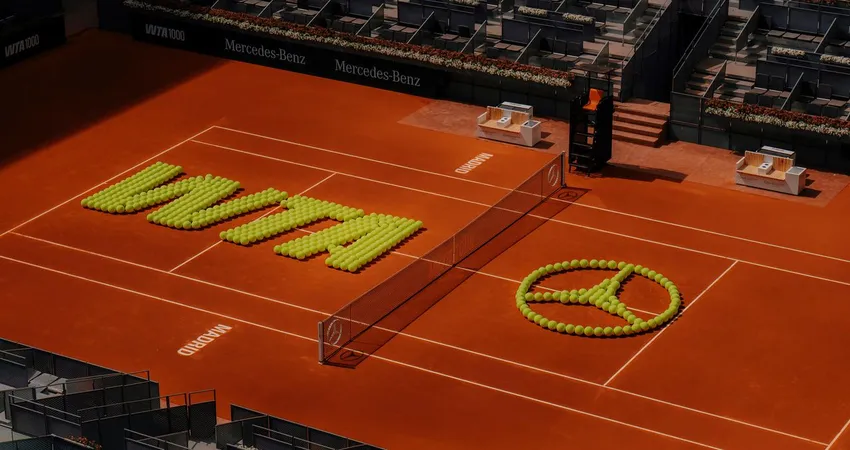
    Mercedes-Benz and WTA giant tennis ball installation on Centre Court at the Mutua Madrid Open 2026 highlighting the largest sponsorship deal in women's sports history

    Photo: WTA / Mercedes-Benz  /  Mutua Madrid Open 2026  /  Centre Court Installation

    Brand Strategy + Culture

    Athletic
    Performance
    Is The Price
    Of Entry.
    Lifestyle Is
    The Ceiling.

    Nearly half of all athlete brand deals today have nothing to do with the sport being played. This shift happened in three waves over three decades. The WTA and Mercedes-Benz just proved where it lands.

    April 2026


    Before anything else, this needs to be said clearly. Athletic performance matters. It always has and it always will. Nobody is putting a Mercedes in your driveway because you have a good Instagram page. Performance is still the foundation. But in 2026, performance alone is no longer enough to maximize what you are worth to a brand. The athletes who understand that their identity, their audience, and their lifestyle are assets on top of their athletic ability are the ones building something that outlasts a career. The ones who do not are leaving money on the table.

    The data tells the story plainly. Nearly 44 percent of global athlete endorsement market revenue in 2025 came from non-sports brands, meaning consumer goods, financial services, technology, luxury, and entertainment companies combined.[DataIntelo] That is almost half of all brand deal money flowing to athletes from brands that have nothing to do with what those athletes do on the field or court. Two decades ago that number was a fraction of what it is today. The question worth asking is how we got here, and what it tells us about where the money is going next.

    Performance is the floor. It always has been. What changed is what determines the ceiling.

    01
    Pre-2010
    Performance Was Everything. The Brand Told You Who the Athlete Was.
    Michael Jordan and Nike in 1984. Tiger Woods and Nike in 1996. The model was simple: perform at the highest level, and a sports or mass consumer brand would attach their logo to your jersey. The brand did the storytelling. The athlete was the vehicle. David Beckham was the rare exception who crossed into fashion and lifestyle deals, signing with Pepsi, Armani, and Gillette while still playing, but he required being Beckham, married to a Spice Girl, famous across four countries, to pull it off. He was the outlier that proved it was theoretically possible. Instagram made him the template.
    02
    2010
    Visual Social Media Arrived. Brands Started Buying Identity, Not Just Reach.
    Twitter launched in 2006 with a public followers model that let anyone follow an athlete without permission, giving athletes a direct public voice for the first time. But it was Instagram launching in 2010 that fundamentally shifted what brands were actually buying. Instagram was purely visual and mobile-first, and that distinction changed everything. A tweet tells you what someone thinks. An Instagram page tells you who someone is. What they wear, where they eat, how they live, who they are when the game is not being played. That visual window into an athlete’s lifestyle is what opened the door to non-sports lifestyle brands at scale, because for the first time brands outside of sports could see exactly how an athlete’s identity aligned with what they were selling.
    03
    Now
    Lifestyle Is Nearly as Valuable as Athletic Ability. The WTA Just Proved It.
    NIL legalization in 2021 accelerated what Instagram started. Social media had already shown brands that athlete audiences were engaged, loyal, and valuable. NIL opened the floodgates for non-sports brands to access athletes at every level, not just global superstars. And at the league level, the WTA’s deal with Mercedes-Benz in December 2025 is the clearest proof yet that the shift is complete. The largest sponsorship in women’s sports history is not a jersey deal. It is a luxury lifestyle partnership.

    Twitter gave athletes a public voice when it launched in 2006 with a followers model that let anyone tune in without permission. But Instagram, launching in October 2010, added something Twitter could not: a purely visual, mobile-first identity.[Britannica] Its popularity helped launch the era of the influencer, individuals who built considerable social media followings and used that influence to connect brands with audiences in a way that felt personal rather than advertised. What brands discovered through Instagram is that a tweet tells you what someone thinks. An Instagram page tells you who someone is. What they wear, where they eat, how they live, and who they are when the game is not being played. That visual window is what opened the door to lifestyle brands at scale.

    When athletes got on Instagram and started showing their lives, their style, their personality, and their values to audiences that followed them purely out of genuine interest, brands started paying attention in a different way. They were not just seeing jersey numbers and stat lines anymore. They were seeing who these athletes actually were. And what they saw was that the athletes with the most engaged audiences were not always the ones with the biggest contracts. They were the ones whose lifestyle, identity, and story resonated with people who wanted to be connected to them as human beings, not just fans.

    A tweet tells you what someone thinks. An Instagram page tells you who someone is. That distinction is why lifestyle brands flooded into sports sponsorship.

    Women athletes more valuable to brands vs men
    2x
    RBC and Wasserman research
    Brands reporting women’s sports sponsorships met or exceeded ROI expectations
    86%
    Athelo Group research 2025
    WTA x Mercedes-Benz deal value annually
    $50M
    Potentially $500M over 10 years — largest sponsorship in women’s sports history
    Women athletes income from commercial partnerships
    82%
    On average, the majority of women’s athlete income comes from off-field brand deals — RBC
    More likely fans of women’s sports purchase endorsed products
    2.8x
    Versus fans of men’s sports — driving sponsor ROI beyond raw exposure

    The women’s sports numbers deserve their own conversation because they are the most important piece of this argument. Research from RBC and Wasserman found that women athletes are proving to be two times more valuable to brands than male athletes because of the depth of their relationships with their fan communities.[RBC Wealth Management] The reason behind that is both straightforward and important. Women athletes have historically earned a fraction of what male athletes earn in salary. On average, 82 percent of a professional woman athlete’s annual income comes from commercial partnerships and endorsements, not playing contracts.[Sportico] Out of necessity, they had to build authentic audiences. They had to connect with fans on a deeper level. They had to cultivate communities rather than just accumulate followers. And the result is that when brands come in, those communities show up for them in a way that translates directly to ROI.

    Eighty-six percent of brands report that their women’s sports sponsorships have met or exceeded their ROI expectations.[Athelo Group] Fans of women’s sports are 2.8 times more likely to purchase products endorsed by female athletes compared to fans of men’s sports. These are not small margins. These are the kinds of numbers that shift where investment dollars flow. And they explain exactly why Mercedes-Benz did not go to the ATP. They went to the WTA.


    The WTA and Mercedes-Benz deal was announced on December 10, 2025, at the Mercedes-Benz Museum in Stuttgart. From January 1, 2026, the tour became officially known as the WTA Tour Driven by Mercedes-Benz, with the German automaker serving as Premier Partner and Exclusive Automobile Partner across WTA 1000, 500, and 250 tournaments worldwide.[WTA] At every tournament, Mercedes-Benz provides an exclusive fleet of vehicles for players, officials, and guests, and delivers what the brand calls a unique driving experience at each stop.[Mercedes-Benz] The deal is reportedly worth approximately $50 million per year for up to 10 years, a potential $500 million total commitment that positions it as the largest single brand sponsorship in the history of women’s sports.[Sportcal]

    This is not a logo on a jersey. This is not a banner behind a baseline. Mercedes-Benz is embedding itself into the physical experience of attending a WTA tournament, putting players in their cars, putting their star on the net at approximately 30 tournaments in 2026, and doing all of it from a stage they specifically chose for its cultural alignment. WTA founder Billie Jean King said the deal sends a message that echoes far beyond tennis, that women’s sport matters and their athletes deserve to be seen, heard, and given a global platform.[Tennis.com]

    This is not a logo on a jersey. Mercedes-Benz is embedding itself into the physical experience of women’s tennis. That is a lifestyle play, not a sponsorship.

    Think about what tennis actually is as a sport and a culture. The country club setting. The white clothing. The grass courts and strawberries at Wimbledon. The US Open feeling more like a food and wine festival than a pure sporting event according to American Express’s own brand team. Tennis has always carried a high-end, lifestyle-driven identity. You did not just watch tennis. You attended tennis. The image of who was in those stands, what they were wearing, what they were driving, has always been part of the sport’s brand.

    Mercedes-Benz understood that alignment before the deal was ever signed. This is not a brand that needed tennis to become premium. They brought their premium identity to a sport that was already living in that space. And by doing it through the WTA specifically, by choosing the women’s tour over the men’s, they made a statement about where they see the sport’s cultural moment going. The Challengers film with Zendaya introduced tenniscore to an entirely new generation.[Hypebae] Emily in Paris went to Roland Garros. The WTA launched a fashion capsule collection with London lifestyle brand Duke and Dexter, sold at Selfridges in June 2025, their first fashion collaboration after their rebrand.[WTA] Tennis is showing up in places that have nothing to do with the sport itself. And the brands paying attention to that are moving accordingly.

    Coco Gauff was also signed as a global Mercedes-Benz brand ambassador as part of the announcement, another deliberate choice. Gauff is the No. 1 ranked women’s player in the world by prize money in 2025, earning approximately $30 million that year.[Sportico] She is also 21 years old, built entirely in the social media era, with a following and identity that resonates well beyond the tennis world. She is not just the best player Mercedes-Benz could sign. She is the exact kind of athlete that the post-Instagram era produces, someone whose performance earns her the platform and whose identity sustains the brand relationship.


    The shift from performance-only deals to lifestyle and identity deals did not happen overnight and it did not happen by accident. It happened because social media, specifically the followers model that Instagram built in 2010, gave athletes the ability to build audiences that brands wanted direct access to. And it happened because women athletes, out of necessity, became better at building those audiences than anyone else in sports.

    The athletes who are building their platforms right now, regardless of what sport they play or what level they compete at, are doing something more commercially valuable than they may realize. Every piece of content that shows who you are beyond the sport. Every follower who chooses to be in your world because of what you represent. Every brand relationship that comes from your identity rather than just your stats. Those are assets. They do not disappear if you get injured. They do not reset when you transfer. They compound over time in ways that a salary never could.

    Athletic performance is the price of entry. What you build around it is the ceiling. The WTA just signed a deal that may be worth half a billion dollars and did it without a single point being played. That is what lifestyle alignment looks like at its highest level. The question for every athlete reading this is what their version of that looks like right now.


    I am so passionate about these topics today because in 2017, as I was graduating from high school, I made a decision that altered my life based on financial need and stability. Now that athletes have the ability to fund the lifestyle they dream of and make an impact through the things they are passionate about, simply through who they are and what they believe, it is an amazing milestone for athletes and brands alike.


    Three decades ago, a brand deal meant your face on a billboard next to a shoe. Today it means a luxury automaker picking up players at 30 tournaments across the globe in their fleet of vehicles because the culture of the sport you play aligns with the identity they are selling. The brands doing serious long-term investment are not just buying athletic performance anymore. They are buying story, lifestyle, community, and cultural alignment. Women figured that out first because they had to. And the $50 million per year Mercedes-Benz just committed to the WTA is the clearest signal yet that the brands paying attention agree.

  • The Pro Shoe Deal Is Dead. NIL Killed It.

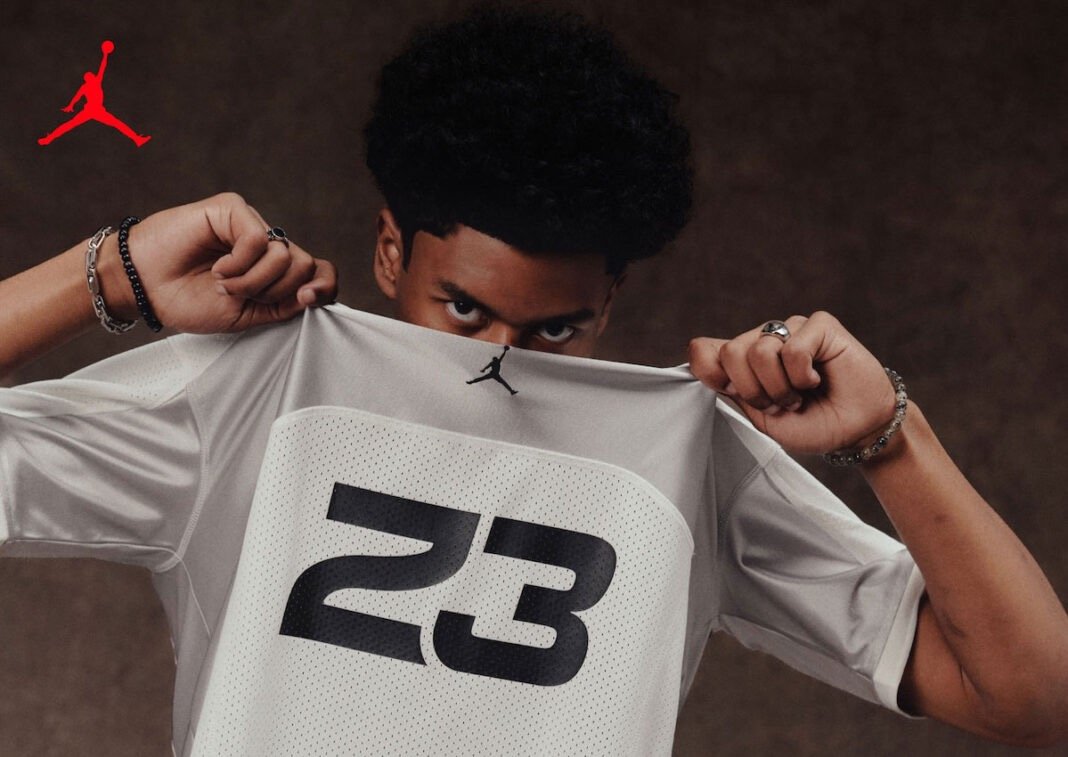
    Jason Crowe Jr. signs with Jordan Brand NIL deal ahead of the 2026 Jordan Brand Classic

    Photo: Jordan Brand  /  Jason Crowe Jr.

    NIL + Brand Strategy

    The Pro Deal
    Is Dead.

    Adidas, Nike, and Jordan Brand are not waiting for draft night anymore. The shoe deal has moved to the hallways of high school gyms, and the athletes who understand that first will win.

    GEMLAB Readings   |   April 2026


    For decades, the blueprint was simple. Work your way to the league, prove yourself on the biggest stage, and if you were lucky, a brand would come knocking. The shoe deal was the reward at the end of the road. A finish line. A confirmation that you made it.

    That model is gone.

    What is replacing it does not wait for the NBA Draft. It does not wait for a college commitment. It does not wait for a player to set foot on any court at any level. The new model is watching right now, scrolling your feed, tracking your following, and deciding whether your story is worth investing in before a single professional game is ever played.

    “The question is no longer what brands will pick me up. The question is what kind of athlete are you right now.”

    The evidence is stacking up fast. Adidas signed Caleb Holt and Bruce Branch III to NIL deals while they were still in high school. Nike moved to lock in AJ Dybantsa with a deal reportedly worth over four million dollars before he ever played a college game. And then there is Jordan Brand, which has been building something in this space quietly and deliberately for the last three years.


    Feb 2023
    Kiyomi McMillerPoint guard from Life Center Academy in New Jersey. The first high school athlete to ever sign a NIL deal with Jordan Brand. A women’s basketball five-star in the class of 2024.
    2023–24
    Mikaylah Williams + Bella HinesJordan continued building its high school women’s roster. All early signings were female. That was not by accident.
    Nov 2025
    Cameron + Cayden BoozerThe brand’s first male signings. The Boozer twins had not played a single college game when they joined the Jordan family. Duke freshmen. Sons of NBA veteran Carlos Boozer.
    Nov 2025
    Kiyan AnthonySigned alongside the Boozer twins as part of Jordan’s Class of 2025. Had not played a college game yet. Son of Carmelo Anthony, one of Jordan Brand’s most iconic long-term athletes.
    Apr 2026
    Jason Crowe Jr.Five-star shooting guard out of Inglewood, California. Committed to Missouri. Signed just days before the 2026 Jordan Brand Classic. California’s all-time leading scorer in high school boys basketball history.

    What Jordan did strategically in its early phase deserves real attention. The brand’s first high school athletes were all women. That was intentional. Female high school athletes consistently build larger audiences around lifestyle-driven content than their male counterparts, and Jordan read that before anyone else was paying close enough attention. They were not just signing athletes. They were signing reach, personality, and cultural connection.

    By the time Cameron and Cayden Boozer became the brand’s first male signings in November 2025, Jordan had already built infrastructure and credibility in the NIL space. Neither twin had played a single college game when their deal was announced. That is the point. The brand did not need to see them perform at Duke first. The story, the legacy, the following, and the potential were enough.

    Kiyan Anthony was announced the same day. His father Carmelo spent years as one of Jordan Brand’s signature athletes. The brand was not just signing a player. They were signing a continuation of a legacy that already lived inside their house.

    Jordan Brand was not scouting stats. They were scouting stories.

    And then came Jason Crowe Jr.


    Before the ink dried on his Jordan Brand deal, Jason Crowe Jr. had already rewritten California prep basketball history. The five-star shooting guard from Inglewood finished his high school career as the all-time leading scorer in California boys basketball history, surpassing a record that had stood for decades.

    43.6
    PPG senior season
    4,718
    Career points, CA all-time record
    No. 10
    Overall recruit, class of 2026
    No. 3
    Shooting guard nationally

    Crowe also won Co-MVP at the McDonald’s All-American game and represented Team USA Basketball at the youth level. He committed to the University of Missouri and carries a one million dollar On3 NIL valuation, ranked No. 18 in high school basketball. Jordan Brand signed him days before the 2026 Jordan Brand Classic, held in Torrance, California, where Crowe was set to compete. The timing was no coincidence.


    This is what athletes and families need to understand right now. The conversation about brand alignment is not a post-career conversation anymore. It is a right-now conversation. The brands doing the work are looking at follower counts, yes, but they are also looking deeper. What does an athlete represent? How do they carry themselves publicly? What does their platform say about what they value on and off the court?

    Adidas, Nike, and Jordan Brand are not waiting for combine numbers. They are reading social followings, family legacy, cultural presence, and personal narrative. The athletes who are building those things right now, in high school, are not ahead of the curve. They are simply on the right timeline.

    The shoe deal at the professional level is not dead for everyone. But it is no longer the entry point. Brands are moving earlier, and the athletes who understand that their identity, their following, and their story are already assets right now, not future ones, will find themselves in conversations that the old model never made possible at their age. The draft was never the only door. It was just the only one anyone told you about.

  • Your Brand Is Your Responsibility. The Team Is Just The Vehicle.

    Your Brand Is Your Responsibility — Team vs Individual Sports Branding GEMLAB 2026

    GEMLAB  /  Athlete Branding  /  April 2026

    Athlete Branding + Identity

    Your Brand Is
    Your Responsibility.
    The Team Is
    Just The Vehicle.

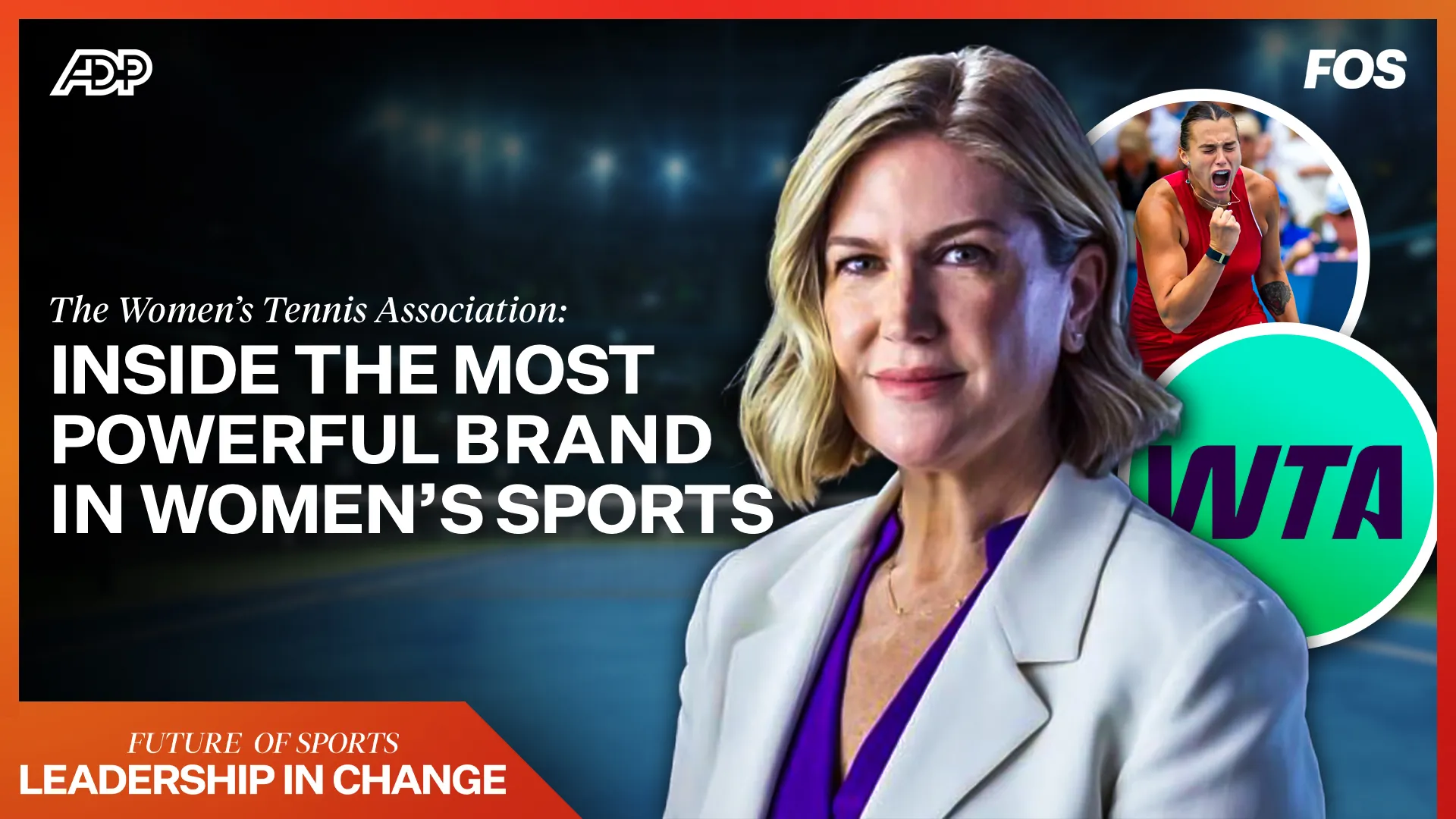
    WTA Chief Brand Officer Sarah Swanson laid out one of the clearest frameworks for understanding athlete branding across team and individual sports. The argument she made applies at every level, from a guard choosing between prep programs to a professional deciding how to build their off-court presence.

    April 2026


    Sarah Swanson spent years running the commercial business of surfing before she ever touched tennis. As Chief Marketing Officer of the World Surf League and now Chief Brand Officer of WTA Ventures, she has operated inside two very different individual sport ecosystems and watched closely how athletes in those spaces build, or fail to build, personal brands.[WTA] When she sat down with Front Office Sports in April 2026, she made a comparison that cuts straight to the heart of why some athletes build massive commercial platforms and others with equal talent never do.[Front Office Sports]

    “I think tennis players are closer to surfers than they are to football players in that they’re very individual athletes. They travel the globe with their teams and are able to kind of bring to life through their content and through their socials kind of what that life looks like and what that lifestyle looks like.”
    Sarah Swanson — Chief Brand Officer, WTA Ventures  /  Front Office Sports, April 2026

    The comparison is not about which sport is more popular or which athletes are more talented. It is about structure. The structure of your sport determines how much of your brand building you have to do yourself, how intentional you have to be about it, and ultimately how much of your commercial ceiling you actually control. That distinction is worth understanding at every level of athletic competition, not just professionally.

    The structure of your sport determines how much of your brand building you have to do yourself. That determines your ceiling.

    Team Sports
    Built-in infrastructure, shared identity
    The advantage Personality comes out naturally. You always have teammates around you. The locker room, the sideline, the group dynamic creates content without anyone being intentional about it.
    The challenge Your personality gets diluted inside a roster. There is a team PR department managing the narrative. Standing out individually requires extra intentionality that the team structure does not automatically provide.
    The brand reality The team gives you a platform and an audience. What you do with it individually is still entirely on you. Being on the Cowboys is not the same as having a Cowboys-level brand.
    Individual Sports
    No infrastructure, full ownership
    The advantage Everything you build is yours. There is no team PR filtering your narrative. The platform you create around your identity compounds over time without being shared with 52 other people.
    The challenge You have to manufacture the moments that team sports produce automatically. There is no locker room. You have to be intentional about creating personality-driven content that shows who you are beyond the match.
    The brand reality Building a personal brand is not optional if you want to stay relevant and attract sponsors. The athletes who treat it as optional are the ones who underperform their commercial potential.
    “The nature of being an independent athlete means that you kind of have to know yourself at some level and you know that your presentation to the world is personal. And so figuring out what you want to give and how you want to present that is something that our athletes I think do really really well.”
    Sarah Swanson — Chief Brand Officer, WTA Ventures  /  Front Office Sports, April 2026

    The personal presentation point is where the framework becomes most useful for athletes at every level. Swanson is describing something that applies whether you are a tennis player on the WTA Tour, a basketball player choosing between prep programs, or a football player deciding how to build your presence inside a team structure. At every level, the affiliations you choose are vehicles. They are not your brand. They carry your brand to a wider audience. But the brand itself, the identity, the story, the values you put into the world, that has to come from you.

    Think about the decision a talented high school basketball player makes when choosing between a nationally prominent prep program and a lower-profile one. The platform that comes with a nationally known program, the national exposure, the caliber of competition, the eyes on every game, all of that is a vehicle. It puts your talent in front of more people. But two players can go through the same program and come out with completely different commercial profiles depending on how intentionally they built their identity alongside the athletic development. The program is the stage. The performance and the brand are still yours.

    Every affiliation you choose is a vehicle. It does not build your brand for you. It puts your brand in front of more people. That is a different thing entirely.

    The core truth
    Your Brand
    The only thing that is entirely yours. Nobody builds it for you. Nobody can give you the vision. You hire people to help execute it.
    Vehicle
    Your Team
    Provides a platform and an audience. Being on a marketable team helps. It is not the same as having a marketable brand.
    Vehicle
    Your School
    The program you choose shapes the size of the stage. Prolific Prep versus a local program is a branding decision as much as an athletic one.
    Vehicle
    Brand Deals
    For individual athletes especially, your sponsorships are your affiliations. They signal who you are to an audience the same way a team jersey does.
    Vehicle
    Social Media
    Your owned platform. The one vehicle where you have complete control over the narrative regardless of what sport or level you compete at.
    Vehicle
    Your Circle
    Who you are associated with publicly shapes perception. Even this is a branding decision, intentional or not.
    Watch the full interview
    The Big Business of Women’s Tennis
    Sarah Swanson, Chief Brand Officer, WTA Ventures  /  Front Office Sports  /  April 23, 2026
    Watch Now ↗
    “We talk to them about you know there’s your on court presence and how do you want that to look. But your off court presence is your own.”
    Sarah Swanson — Chief Brand Officer, WTA Ventures  /  Front Office Sports, April 2026
    Sarah Swanson WTA Chief Brand Officer Front Office Sports interview April 2026

    Photo: Front Office Sports  /  Sarah Swanson, WTA Ventures  /  April 2026

    The on-court layer, broadcasts, highlights, match results, that is largely controlled through media partnerships and the tour structure itself. The WTA owns that layer and amplifies it. But the off-court layer is where the individual athlete either builds something meaningful or leaves commercial value on the table. The WTA supports players with content, behind-the-scenes social, TikToks, and anything that brings personality to life away from the match. But the vision still has to come from the athlete.

    “There’s no blanket statement that’s true. We’ve got hundreds of athletes and so what Aryna Sabalenka is very different than Fran Jones.”
    Sarah Swanson — Chief Brand Officer, WTA Ventures  /  Front Office Sports, April 2026

    That quote matters because it directly challenges the idea that there is one formula for building an athlete brand. There is not. Every athlete’s identity is different, and the most successful brand builds are the ones that are authentic to who that athlete actually is rather than a template someone handed them. What works for Sabalenka, whose personality is outsized and unapologetic and perfectly matched to her aggressive playing style, is not the same strategy that works for a quieter, more reserved athlete. The common thread is not the style. It is the intentionality.


    Swanson also talked about a dynamic that gets overlooked in the individual sport world, the value of athletes building community with each other on tour.

    “It’s great when they interact with each other. The benefit of being on a team sport is you’ve kind of got all the other guys or the other gals there. We have these sort of groups on tour but you know it’s so much fun when they’re together when you sort of see these pockets because their personalities come to life.”
    Sarah Swanson — Chief Brand Officer, WTA Ventures  /  Front Office Sports, April 2026

    The Players Box podcast that a couple of WTA athletes launched is her example of that dynamic working well in practice. They took the natural friend groups that form on tour and built a platform around the conversations those groups were already having. That is exactly the kind of content that individual sport athletes have to create intentionally because the sport structure does not produce it automatically. The team sport version of that is the locker room. In individual sports, you have to build the room yourself.

    She also made a specific observation about Frances Tiafoe’s longtime partner, Ayan Broomfield, a former professional tennis player and NCAA doubles champion who built a significant fashion and lifestyle influencer career alongside her relationship with Tiafoe on the ATP Tour.

    “I think that’s pretty smart actually to build your own brand that way.”
    Sarah Swanson — on Ayan Broomfield building her own brand alongside Frances Tiafoe  /  Front Office Sports, April 2026

    The point is not about romantic relationships. It is about proximity to a world and using it intelligently. Broomfield was already inside the tennis ecosystem as a former player. She understood the audience, the lifestyle, the culture, and she built a brand identity around fashion and content that stands independently of Tiafoe’s career. That is the same logic that applies to any athlete in any sport. The people you are around, the ecosystems you move through, the worlds you have access to are all raw material for building something of your own. The question is whether you are paying attention.


    The team versus individual sport comparison is a useful framework, but the conclusion is the same regardless of where you land. Your brand is your responsibility. At every level of competition, the teams you play for, the programs you choose, the brands you partner with, the platforms you build, these are all vehicles. They carry your brand to a wider audience. But no vehicle gives you the vision. That has to come from you. You hire people to help execute it. You choose the affiliations that amplify it. But if you are waiting for a team, a program, or a sponsor to tell you who you are, you are already behind.

    Swanson said it directly about women’s sports but the principle applies everywhere. Women athletes have historically had to work harder for sponsorship, and out of that necessity they built deeper, more loyal audiences. The ROI data confirms it. The lesson for every athlete is not to wait until circumstances force you to build. Start building before you need it. The athletes who have a clear identity, a real audience, and an authentic presence before the big opportunity arrives are the ones who maximize it when it comes. The ones who figure it out after the moment has already passed are left catching up.

    Whether you are choosing between prep programs, deciding how to build your presence inside a team structure, or figuring out what your off-court content looks like, every decision is a branding decision. The athletes who understand that early are the ones who build something that outlasts the playing career.


    “Women’s sports aren’t a charity they’re a business. They’re an incredibly strong growing business. Nobody’s buying into potential anymore you know you’re buying into the reality and then the growth potential on top of that.”
    Sarah Swanson — Chief Brand Officer, WTA Ventures  /  Front Office Sports, April 2026
    “I’ve been doing this for 20-plus years now, and people do not fall in love with brands and leagues — they fall in love with players and teams. It’s about winning and losing. It’s about storytelling so people care about the players. Our players are beloved and famous. We’re treating them the way an entertainment entity treats its stars.”
    Sarah Swanson — Chief Brand Officer, WTA Ventures  /  WTA.com

    Sarah Swanson’s framework cuts through a lot of noise around athlete branding. The sport you play shapes the structure you operate in. The team you are on shapes the size of your stage. The program you choose shapes the audience watching you. But none of those things determine your commercial ceiling. You do. The vision, the identity, the story you put into the world, that is yours to build or yours to leave on the table. Every affiliation is a vehicle. The brand is the destination. And nobody drives it for you.

  • She Built a $4.5M Empire Before Going Pro.

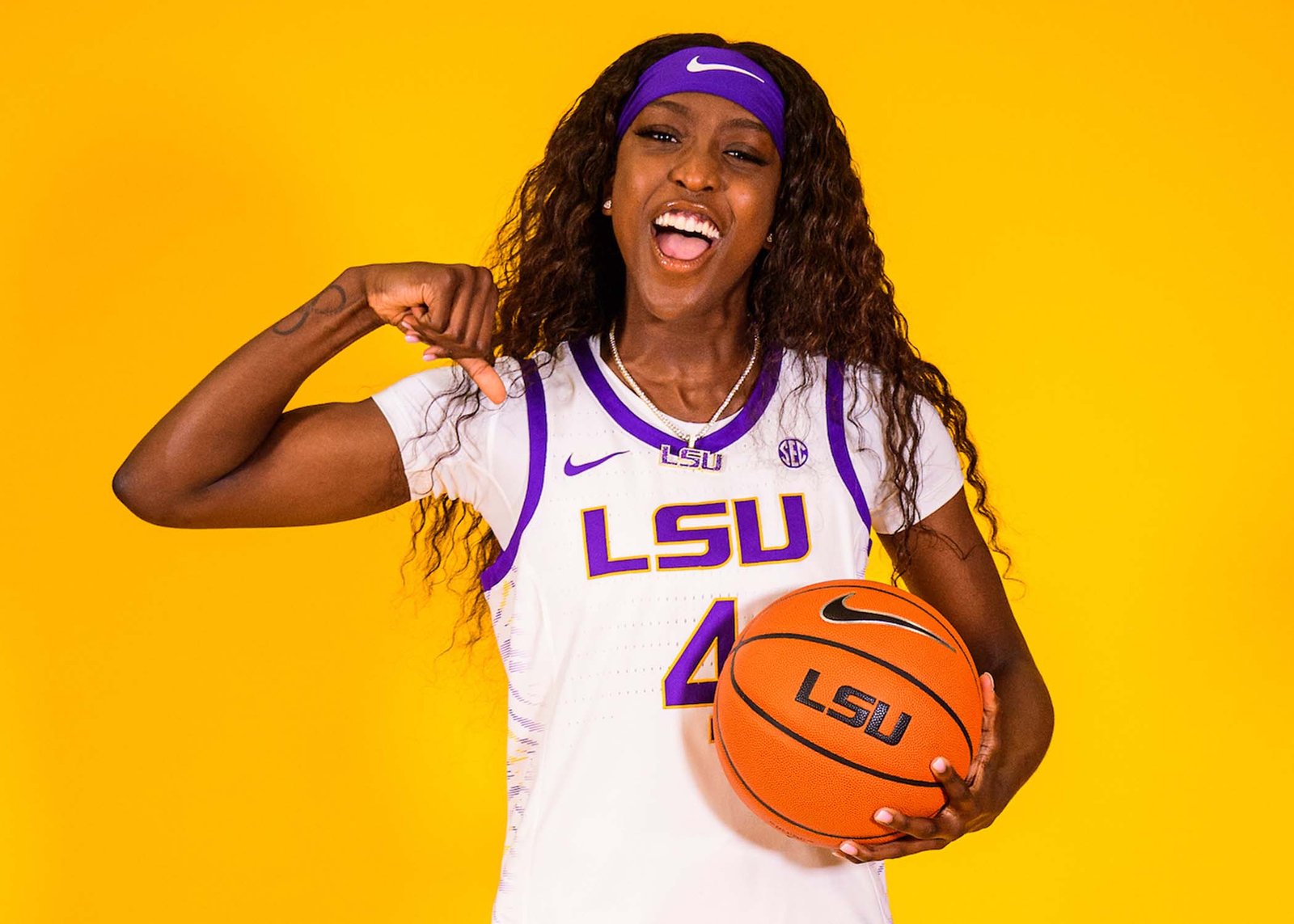
    Flau'jae Johnson LSU guard and Roc Nation artist who built a $4.5 million personal brand before her 2026 WNBA Draft selection

    Flau’jae Johnson  /  2026 WNBA Draft, No. 8 Overall Pick

    Women’s Basketball + NIL

    She Built a
    $4.5M Empire
    Before Going Pro.

    Flau’jae Johnson’s personal brand earns roughly 14 times her WNBA rookie salary. She is proof that the most powerful move in women’s sports is building before you ever step on a professional court.

    GEMLAB Readings   |   April 2026


    On April 14, 2026, Flau’jae Johnson heard her name called at the WNBA Draft in New York City. The Golden State Valkyries selected her eighth overall.[ESPN] Less than an hour later, she was traded to the Seattle Storm. Two franchises wanted her that badly, on the same night.

    And yet the most important financial moves of her career had already been made. Long before she walked across that stage. Long before a WNBA jersey had her name on it. The draft was not the moment Flau’jae Johnson arrived. It was just the moment the rest of the world caught up.

    Her rookie salary is $309,622. Her personal brand generates approximately $4.5 million a year. That gap tells you everything.

    As the No. 8 pick, Johnson will earn $309,622 in her first WNBA season under the league’s new collective bargaining agreement, part of a four-year rookie deal worth just under $1.4 million total.[On3] That is genuinely historic money for a WNBA rookie. The No. 1 pick in 2025, Paige Bueckers, earned $78,831 in her first year. The new CBA changed everything for incoming players.

    But compare that $309K to what Johnson disclosed in her own words: her combined NIL deals and music career bring in approximately $4.5 million annually.[EssentiallySports] Forbes estimated her net worth at $7 million and named her to the 30 Under 30 list.[Tuko] She built all of that in college, before playing a single professional minute.


    $4.5M
    Annual brand + music earnings
    $309K
    WNBA year one rookie salary
    $7M
    Estimated net worth, Forbes
    25+
    NIL brand deals secured in college

    What makes the Flau’jae Johnson story different is not just the money. It is the architecture of how she built it. She did not wait for a professional contract to become marketable. She treated herself as a brand from day one at LSU and went to work building every pillar simultaneously.

    She signed with Jay-Z’s Roc Nation as a recording artist in 2021, before most people outside of basketball knew her name.[Wikipedia] From there she built a NIL portfolio that reads like a Fortune 500 sponsor list. Puma, Amazon, JBL, Meta, Powerade, Taco Bell, TurboTax, Experian, MassMutual, Mercedes-Benz, Doritos, Raising Cane’s and more.[EssentiallySports] These are not local sponsorships. These are national brands investing in her because of what she represents, not just what she averages.

    Then in December 2024, she became only the second college athlete ever to receive an equity stake in Unrivaled, the women’s 3-on-3 professional basketball league.[Wikipedia] Ownership. In a professional league. While still in college. That is a different level of thinking entirely.

    Ownership in a professional league. While still in college. Before playing one pro game.

    The critical detail in all of this is stability. Every deal she built, every partnership she secured, every equity stake she earned, none of it depended on whether she stayed healthy. None of it disappeared if she transferred, got injured, or had a bad season. It existed independent of the basketball outcome. That is the model that the old system never made available to women athletes. NIL changed that, and Flau’jae Johnson understood it faster than almost anyone.


    Johnson was not just a brand play. She was a four-year contributor at LSU who helped build one of the most watched programs in women’s college basketball. She averaged 14.6 points, 5.3 rebounds, 2.3 assists, and 1.6 steals per game across her college career,[ESPN] won a national championship as a true freshman in 2022-23, earned two First-Team All-SEC honors, and finished as one of only 14 active players in the 2025-26 season with 2,000-plus career college points.[SI] She earned the right to be in that draft. The brand just came with it.


    What Flau’jae Johnson represents is a shift in how athletes, especially women athletes, need to think about their careers. The WNBA has never been a path to generational wealth on salary alone. Even with the new CBA dramatically raising rookie pay, the gap between men’s and women’s professional salaries remains enormous. The athletes who will build real financial independence in women’s sports are the ones who treat the game as a platform, not a paycheck.

    Johnson understood that her audience was not just basketball fans. Roc Nation gave her access to music culture. Her NIL portfolio gave her access to lifestyle and consumer brands. Her equity in Unrivaled gave her a stake in the growth of the sport itself. She built in multiple directions at once, and by the time she walked across that WNBA Draft stage, the professional contract was the smallest number on her balance sheet.

    The most valuable thing a women’s athlete can build right now is not a highlight reel. It is a brand that exists whether or not they play tomorrow. Flau’jae Johnson did not wait to go pro to start building. She built first, went pro second, and arrived at the draft already winning. That is the new blueprint. And it does not require being the No. 1 pick. It requires starting before anyone tells you to.


  • AI Is Running The 2026 FIFA World Cup.

    Lenovo and FIFA AI technology powering the 2026 FIFA World Cup fan and referee experience

    Photo: Lenovo / FIFA  /  FIFA World Cup 2026  /  United States, Canada, Mexico

    Sports Tech + AI

    AI Is Running
    The 2026 FIFA
    World Cup.

    Lenovo and Verizon are deploying AI at a scale the sports world has never seen before. Referee cams. 3D player avatars. Equal analytics for all 48 teams. This is not the future. It is happening this summer.

    GEMLAB Readings   |   April 2026


    The FIFA World Cup is returning to the United States for the first time since 1994. Thirty-two years later, the tournament looks completely different. Not just on paper. Not just in roster size. The entire infrastructure of how the game gets played, officiated, analyzed, and experienced has been rebuilt around artificial intelligence.

    This is not a feature upgrade. This is a ground-up reimagining of what a global sporting event can be, and the 2026 World Cup, hosted across the United States, Canada, and Mexico from June 11 to July 19, is where that vision goes live in front of an expected global audience of over six billion people.[Lenovo]

    Two companies are at the center of it all. Lenovo, named FIFA’s Official Technology Partner for World Cup 2026,[Lenovo] is delivering the AI tools that will change how fans watch, how officials make calls, and how teams prepare. And Verizon, the Official Telecommunication Services Sponsor,[Verizon] is providing the 5G network backbone that makes all of it possible. Without the network, none of the innovation works. That part matters more than most people realize.

    Six billion people watching. 104 matches. 48 teams. One AI infrastructure powering all of it.

    For fans in stadium
    AR Player Stats
    Point your phone at the pitch using the FIFA app and see real-time player stats overlaid on the field through augmented reality. Speed, heatmaps, movement data, all live.
    For fans at home
    Referee View
    AI-stabilized body cameras on match officials give global audiences a first-person view of every call. Tested at the FIFA Club World Cup 2025, now scaling to the full tournament.
    For officials and broadcasters
    3D Player Avatars
    All 1,248 players from 48 nations are scanned to create accurate 3D body models. Offside calls and tough decisions are rendered in real time so everyone sees exactly what happened.
    For teams and coaches
    Football AI Pro
    A generative AI knowledge assistant analyzing hundreds of millions of FIFA data points. Every one of the 48 competing teams gets access to the exact same analytical capabilities.

    Let us break each of these down because the details matter.

    The AR experience in stadium is not new to the World Cup. FIFA first tested it at the 2022 tournament in Qatar, where fans inside the venue could open the FIFA app, point their phone at the pitch, and tap on any player to see their live speed and movement heatmap.[Engadget] What is new in 2026 is the scale and the network infrastructure behind it. Verizon has boosted 5G capacity by three to five times across all host stadiums and expects fans to consume over 50 terabytes of data per match inside each venue.[Telecom Review] That is the equivalent of streaming HD video for more than three years, compressed into a single match.

    The Referee View is genuinely new at this scale. Body cameras on match officials were first trialed at the FIFA Club World Cup in 2025. The footage was promising but had a real problem: referees move fast, and the raw footage was shaky and hard to follow. Lenovo solved that with AI-powered stabilization software that smooths the footage in real time, reducing motion blur so the picture is clean regardless of how fast the referee is moving.[TechInformed] The stabilized stream will be made available to broadcasters worldwide, meaning fans watching at home will see exactly what the referee sees, live, during the match.

    You will be able to see what the referee sees. In real time. On your television. That has never happened at this scale before.

    The 3D player avatars are the most visually striking innovation. FIFA and Lenovo are scanning all 1,248 players from the 48 participating nations before the tournament begins. The scanning process takes approximately one second per player and captures specific body dimensions rather than using a generic digital model.[The Sports Playmaker] When a tough call happens, the offside line or a contested touch, the broadcast can render a 3D visualization using the actual dimensions of the players involved. The play essentially rehappens in front of you in real time, in three dimensions, with the correct body shapes of the actual players.

    And then there is Football AI Pro, which may be the most significant innovation of all, even if it is the least visible to fans.


    For decades, access to elite sports analytics has been a function of budget. Your Brazils, your Germanys, your traditional powerhouses arrive at every major tournament with full data science departments, proprietary analytics platforms, and years of accumulated player data. Smaller national programs do not have that. They never have.

    Football AI Pro changes that directly. Built on FIFA’s Football Language model and powered by Lenovo’s full-stack AI capabilities, the system analyzes hundreds of millions of FIFA-owned football data points and delivers pre-match and post-match insights in text, video, graphics, and 3D visualizations.[FIFA] And every single one of the 48 competing teams gets access to the same tool, with the same capabilities, at no competitive disadvantage.

    This is the first time in World Cup history that analytical parity has been built into the tournament infrastructure itself. Not as a nice idea. As a required feature.[Sports Video Group]

    48
    Teams with equal AI analytics access
    104
    Matches powered by Lenovo AI
    6B+
    Expected global viewers
    50TB
    Data per match inside each stadium

    None of this works without the network. That is the part that rarely gets the headline but deserves more attention. Verizon has deployed private 5G networks inside host stadiums specifically to support critical applications including the Lenovo Referee View body cameras.[Data Center Dynamics] They have installed thousands of antennas, deployed nearly 140 small cells and temporary sites, and boosted 5G spectrum capacity across every host venue. The Broadcast Contribution Network, the system FIFA uses to centrally collect ball and player data and deliver high-quality footage to broadcasters worldwide, runs on Verizon’s fiber infrastructure.[Light Reading]

    The AI innovations are the story. The network is the foundation. You cannot have one without the other.


    If you are an athlete right now, regardless of your sport, what is happening at the 2026 World Cup is a direct signal of where the entire sports industry is heading. AI is no longer a consumer tool. It is not just your chatbot or your content generator. It is being deployed at the infrastructure level of the largest sporting event on the planet.

    That means the athletes who understand technology, who embrace data, who are willing to use AI tools for their own preparation, their own content, and their own brand, will have an enormous advantage over those who do not. The teams at this World Cup are getting access to the same analytics as the biggest programs in the world. That is the same principle behind NIL. The tools are being democratized. The question is who picks them up first.

    The fan experience is also changing in a way that athletes need to understand. AR overlays, real-time stats, first-person referee views, these are raising the expectation of what a sports experience looks and feels like. Your audience, whether they are watching you play in a stadium or following you on social media, expects immersive and data-driven content. The brands and media companies that will invest in athletes are the ones who understand this shift. Being part of that conversation, knowing the language of sports tech, is part of building a brand that lasts beyond your playing career.


    AI is not coming to sports. It is already here, and the FIFA World Cup 2026 is the proof of concept at the highest possible scale. Referee cameras with real-time AI stabilization. 3D player avatars for instant replay clarity. Equal analytics access for all 48 nations. A 5G network that handles 50 terabytes of fan data per match. This is what the intersection of sports, technology, and media looks like in 2026. And it is only going to move faster from here.

  • Athletes Are Building Media Companies. This Is Now a Real Industry.

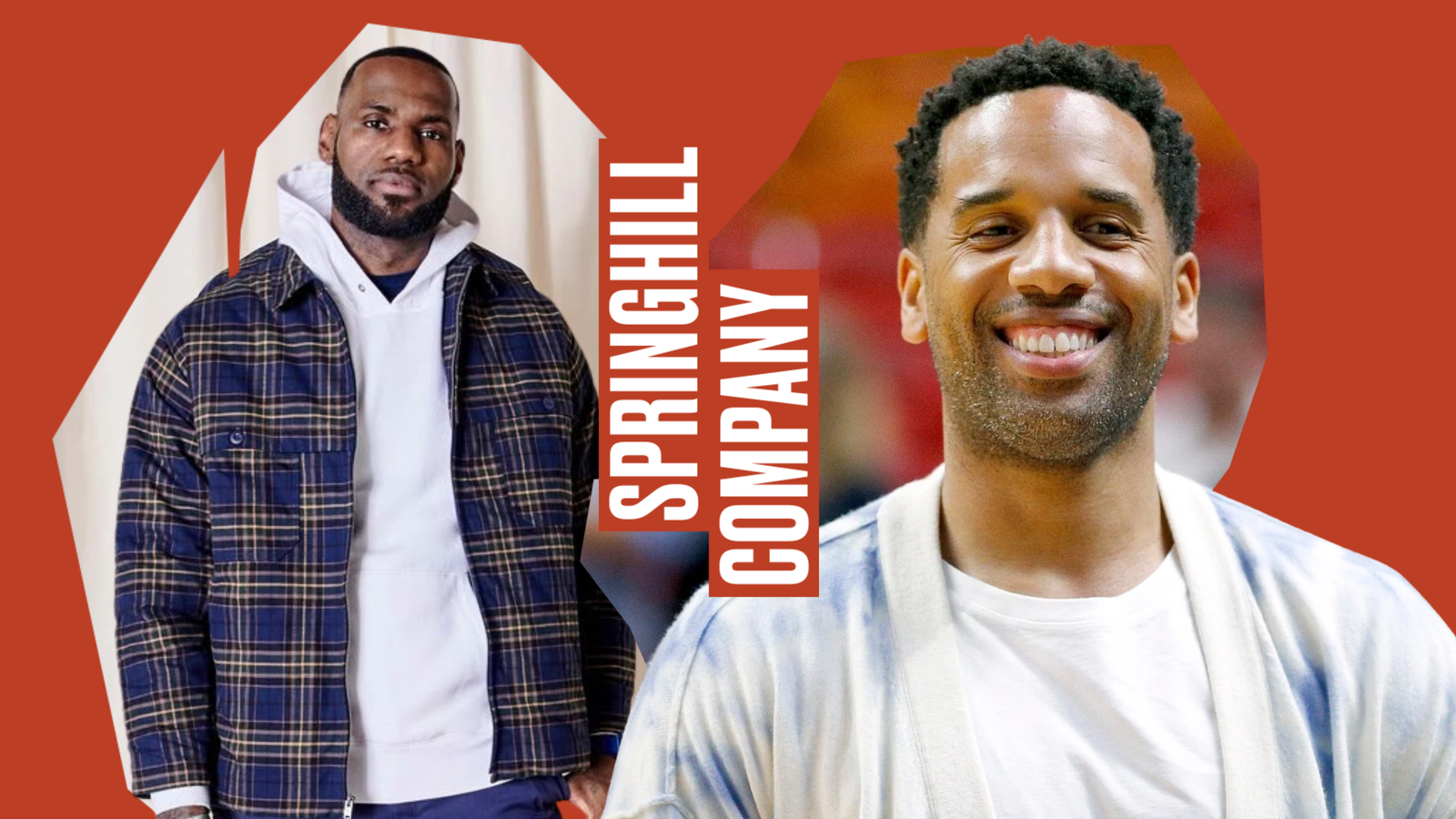
    LeBron James and Maverick Carter, founders of SpringHill Company, valued at $725 million and one of the most influential athlete-owned media companies in 2026

    Photo: GEMLAB  /  LeBron James + Maverick Carter  /  SpringHill Company

    Athlete Ownership + Media

    Athletes Are
    Building Media
    Companies.
    This Is Now
    A Real Industry.

    33 athlete-owned production companies. 370-plus media properties. A USC Annenberg study confirmed what the numbers already showed. Athletes who own their media own their narrative, their income, and their future well beyond the playing career.

    GEMLAB Readings   |   April 2026


    A 2025 USC Annenberg Norman Lear Center study titled “Owning the Narrative” mapped the athlete-owned media landscape for the first time and found 33 athlete-owned production companies producing more than 370 media properties worldwide.[Phys.org] Athlete-owned podcasts alone have generated more than 7 billion YouTube views, 725 million TikTok likes, and 37 million Instagram followers combined. What the study confirmed is something that has been building quietly for over a decade: athletes are not just building social media followings anymore. They are building media companies.

    The valuations reflect that reality. LeBron James and Maverick Carter’s SpringHill Company is valued at $725 million. Peyton Manning’s Omaha Productions is valued at $400 million. The Kelce brothers secured a three-year, $100 million deal with Amazon’s Wondery for their New Heights podcast.[CNN] Pat McAfee licensed The Pat McAfee Show to ESPN for a reported $85 million.[Culture of Sport] And Shannon Sharpe, who built Club Shay Shay into a media network that includes five shows and an interview with Katt Williams that has surpassed 89 million views on YouTube, is expected to sign a new deal worth over $100 million.[Front Office Sports]

    Athletes are no longer waiting for media companies to tell their stories. They are building the companies that tell them.

    SpringHill Company valuation
    $725M
    LeBron James + Maverick Carter. Includes UNINTERRUPTED, SpringHill Entertainment, The Robot Company.
    Athlete-owned media properties globally
    370+
    Across 33 production companies — USC Annenberg 2025 study
    New Heights / Kelce Brothers
    $100M
    Amazon Wondery deal, 3 years
    YouTube views — athlete podcasts combined
    7 Billion
    Across all athlete-owned podcast platforms globally, per USC Annenberg research
    Club Shay Shay / Shannon Sharpe expected deal
    $100M+
    New deal covering full Shay Shay Media network

    What makes these numbers meaningful is not just their size. It is what they represent structurally. When Shannon Sharpe built Club Shay Shay, he was not creating a show. He was building a network with owned IP, a growing roster of talent across multiple shows, and an audience relationship that no single broadcaster could replicate. When his deal with The Volume expired, he walked into negotiations with over four million YouTube subscribers, a viral catalog, and leverage that his NFL career alone never would have produced. His next deal is expected to pay him roughly four times his entire NFL career earnings.[Sports Illustrated]


    Athlete
    Value
    What they built
    LeBron James
    $725M
    SpringHill Company — production, athlete storytelling, brand consultancy
    Peyton Manning
    $400M
    Omaha Productions — premium unscripted content, ESPN ManningCast
    Kelce Brothers
    $100M
    New Heights podcast, Amazon Wondery distribution deal
    Shannon Sharpe
    $100M+
    Shay Shay Media — Club Shay Shay, Nightcap, 5 total shows, 89M+ view Katt Williams episode
    Pat McAfee
    $85M
    The Pat McAfee Show — licensed to ESPN, built audience independently first
    Steph Curry
    Active
    Unanimous Media — first-look deal with Lionsgate, athlete storytelling focus
    Brandon Marshall
    Active
    I Am Athlete — started media moves during NFL career, owns IP, built while still playing

    Brandon Marshall is worth discussing specifically because his story is different from the others on that list. Most athlete media companies were built after the playing career ended. Marshall started making moves while he was still in the league. He was a co-host on Inside the NFL beginning in 2014 while still an active NFL wide receiver.[Wikipedia] He was building media relationships, developing a broadcast presence, and laying the groundwork for what would become I Am Athlete before he retired. When he eventually left Fox Sports in 2021 to build his own platform, the foundation was already there.

    I Am Athlete, the media company Marshall founded, is focused on the intersection of business, entertainment, music, and sports. It was built around long-form athlete-driven conversation in an unscripted, unfiltered format, creating what the platform describes as a locker room environment where athletes can tell their stories outside of traditional media structures.[Front Office Sports] He also went further by investing $10 million of his own money into House of Athlete, a lifestyle wellness brand, making him one of the rare examples of an athlete who used media ownership as a springboard into broader entrepreneurship.[Sportico]

    The reason Marshall’s approach matters is the IP angle. When athletes build their own media platforms rather than lending their name to someone else’s show, they own the content, the audience relationship, and the commercial rights. That means the value compounds over time. Every interview, every episode, every piece of content sits on a foundation they control. That protection extends well beyond social media reach and into something that can be licensed, sold, or scaled independently of whether they are still playing.

    Ownership equals protection. Every piece of content on your own platform is an asset you control. Every appearance on someone else’s platform builds their library, not yours.

    The USC Annenberg study on athlete-owned media is not just documenting what has already happened. It is drawing a map of what is possible. The 33 production companies and 370-plus properties in that research represent athletes who decided that controlling their story, their content, and their IP was worth the investment and the risk. Most of them did not start with a $725 million company. They started with a platform, a point of view, and a willingness to build.

    Brandon Marshall’s story is the most instructive one on this list for athletes who are still playing, because he proves the timeline does not have to start after retirement. The media relationships he built while still in the NFL gave him a running start when he decided to build independently. The athletes who understand this the earliest will have the longest runway. You do not need to launch a production company on day one. You need to start building the audience, the relationships, and the creative voice that a production company can be built around later.

    The IP protection angle is also real and underappreciated. Social media followings sit on platforms you do not own. An algorithm change, a policy update, or a platform shift can reshape your reach overnight. A podcast, a YouTube channel, a media company, these are assets that live closer to you and travel with you regardless of where the social landscape moves. The athletes on this list understood that distinction early, and the valuations reflect it.


    Athlete-owned media is a multi-billion-dollar industry with documented evidence behind it. The USC Annenberg research, the SpringHill valuation, the Kelce and Sharpe deals, all of it points to the same conclusion. Athletes who invest in owning their stories, their content, and their platforms are building something that outlasts their playing careers and generates returns that professional contracts alone cannot match. The playbook is written. The question now is who picks it up.